
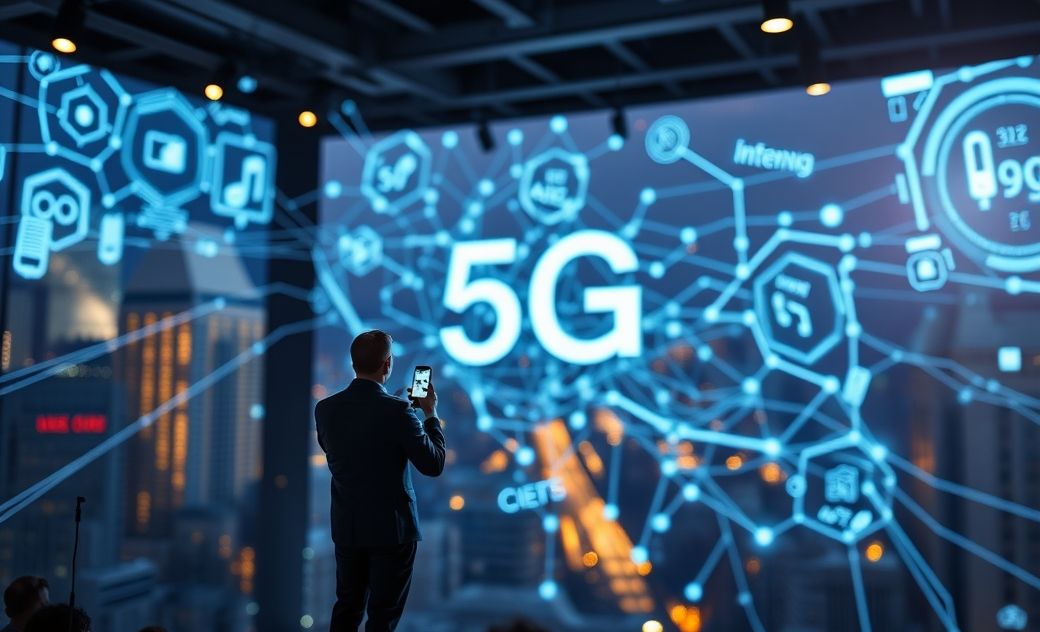
The advent of 5G technology is revolutionizing how we access the internet, opening up new avenues for connectivity and innovation. As industries and consumers begin to tap into its potential, 5G is not merely an upgrade from its predecessors but a transformative leap. This evolution holds profound implications for every corner of the globe, impacting how information is shared and consumed.
Understanding 5G Technology
5G, or fifth-generation wireless technology, stands out due to its remarkable speed and efficiency. Unlike 4G, which provides download speeds of up to 100 Mbps, 5G offers up to 10 Gbps. This dramatic improvement is not only about faster downloads — it’s also about reducing latency to imperceptible levels and allowing more devices to connect simultaneously.
Key Features of 5G
The ultra-reliability and low latency of 5G make it a game-changer. With a capability of supporting up to a million devices per square kilometer, connectivity in crowded places, such as concerts or sports stadiums, is vastly improved. Furthermore, 5G’s energy efficiency ensures longer battery life for Internet of Things (IoT) devices, thus promoting sustainable technology use.
Enhancing Internet Accessibility
5G technology is not just about speed; it is about universal access and inclusion. Many regions, especially in developing nations, struggle with slow internet connections and limited coverage. 5G has the potential to bridge this digital divide, providing reliable and fast internet access even in remote areas.
Impact on Rural Areas
In rural areas, where laying comprehensive fiber infrastructure is economically unfeasible, 5G offers an impressive alternative. By deploying mainly through wireless means, 5G networks can deliver high-speed internet to underserved populations, thereby opening up opportunities for education, telemedicine, and business.
Bridging the Digital Divide
The enhanced mobile broadband enabled by 5G technology can provide equitable digital access, helping to overcome challenges related to economic and geographic disparities. This shift not only enables access to digital technologies but also facilitates participation in the digital economy, fostering innovation and driving economic growth.
Transformation Across Industries
5G’s influence extends beyond individual connectivity and accessibility; it is transforming industries, reshaping business models, and inspiring new applications.
Healthcare Innovations
In healthcare, 5G supports advancements in telemedicine by enabling real-time video consultations, remote monitoring, and even remote surgeries. With its low-latency capabilities, doctors can communicate instantly and securely with patients and specialists anywhere in the world, enhancing the quality of care and accessibility to medical services.
Smart Cities and IoT
5G is the backbone for smart city initiatives, where everything from traffic lights to waste management systems can be interconnected. It transforms urban environments by improving efficiency, safety, and the overall quality of life. With IoT devices flourishing due to 5G, data-driven insights can lead to smarter, proactive decisions.
Challenges and Considerations
Despite its promise, adopting 5G technology comes with challenges. Infrastructure development is costly and requires substantial investment. Moreover, there are concerns about data privacy and security as an increasing number of devices are connected to the network.
Overcoming Implementation Barriers
Rolling out 5G networks requires collaboration between governments, telecom companies, and technology providers. Strategic planning and investment are essential to ensure that the technology is deployed efficiently and safely, with a focus on meeting security standards and protecting user privacy.
In conclusion, 5G technology is not just reshaping how we access the internet; it is altering the very fabric of connectivity. As it becomes increasingly integrated into our daily lives, its potential to promote a more connected and inclusive world becomes apparent, heralding a new era of technological advancement and accessibility.