
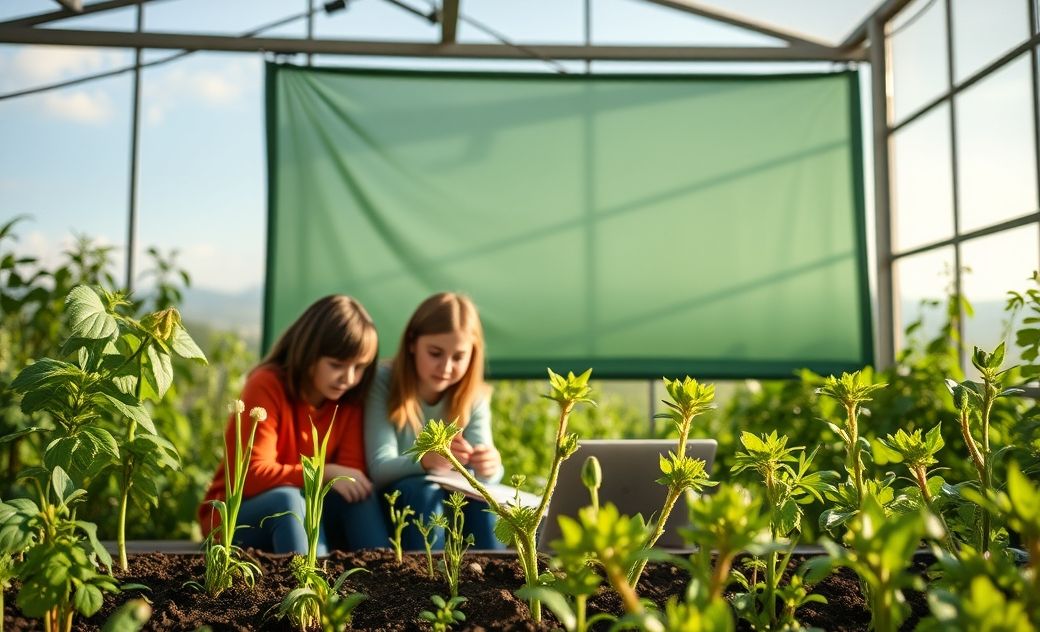
In a world rapidly moving towards an environmental tipping point, educating the next generation about sustainability has never been more critical. As global citizens strive for a greener future, sustainability education plays a pivotal role in equipping young minds with the knowledge and skills to address pressing environmental challenges effectively. This initiative is not just about environmental literacy but also fostering an enduring relationship with the planet.
Understanding Sustainability Education
Sustainability education is an interdisciplinary approach that incorporates environmental, economic, and social aspects of sustainability into the learning process. It aims to empower students with an understanding of how their actions affect the natural world and encourages them to contribute positively to their communities and ecosystems.
Interdisciplinary Learning
The beauty of sustainability education lies in its interdisciplinary nature, integrating science, technology, engineering, arts, and mathematics (STEAM) with social studies and ethical discussions. This holistic approach encourages critical thinking and problem-solving skills, facilitating a deeper understanding of complex environmental issues.
Benefits of Integrating Sustainability Into Education
Embedding sustainability into the educational curriculum offers numerous benefits that extend beyond environmental awareness. These advantages cater to both individual growth and societal advancement.
Fostering Critical Thinking
By engaging with sustainability challenges, students learn to analyze, evaluate, and create solutions. This type of education fosters an environment where critical thinking thrives, encouraging learners to apply their knowledge innovatively to real-world problems.
Building Responsible Citizens
Sustainability education guides students toward becoming responsible global citizens who are aware of their social and environmental responsibilities. It instills values of conservation, empathy, and collaboration, crucial for addressing today’s and future community challenges.
Implementing Sustainability in Schools
To effectively integrate sustainability into education, schools must adopt strategic approaches that resonate with students and the community’s unique needs.
Curriculum Development
Developing a curriculum that incorporates sustainability principles is essential. This involves including topics such as climate change, renewable energy, and sustainable agriculture, thereby enlightening students on a range of relevant issues.
Experiential Learning
Hands-on projects and real-world experiences significantly enhance learning. Schools can implement initiatives such as recycling programs, school gardens, and community clean-up events to provide practical insights into environmental stewardship.
The Role of Technology in Sustainability Education
Technology plays a crucial role in amplifying sustainability education’s reach and effectiveness. Leveraging digital tools and resources helps create dynamic learning environments and connects students with a worldwide network of like-minded individuals.
Access to Information
With the vast array of online resources available, students and educators can access up-to-date information on sustainability practices and innovations globally. This exposes learners to diverse perspectives and ideas, broadening their understanding of sustainability issues.
Interactive Learning Platforms
Interactive platforms and virtual reality experiences provide immersive learning opportunities, allowing students to explore environmental changes and simulations in real-time, fostering a deeper connection with the subject matter.
Supporting the Transition to a Greener Future
Preparing the next generation through sustainability education is an investment in our future. By instilling a sense of responsibility and providing the tools required to address environmental challenges, we empower young minds to lead initiatives that drive positive change and innovation.
As we advance, it is crucial for educational institutions, policymakers, and communities to collaborate, ensuring sustainability education becomes an integral component of every learning environment. By doing so, we pave the way for a more sustainable, resilient world where future generations can thrive.